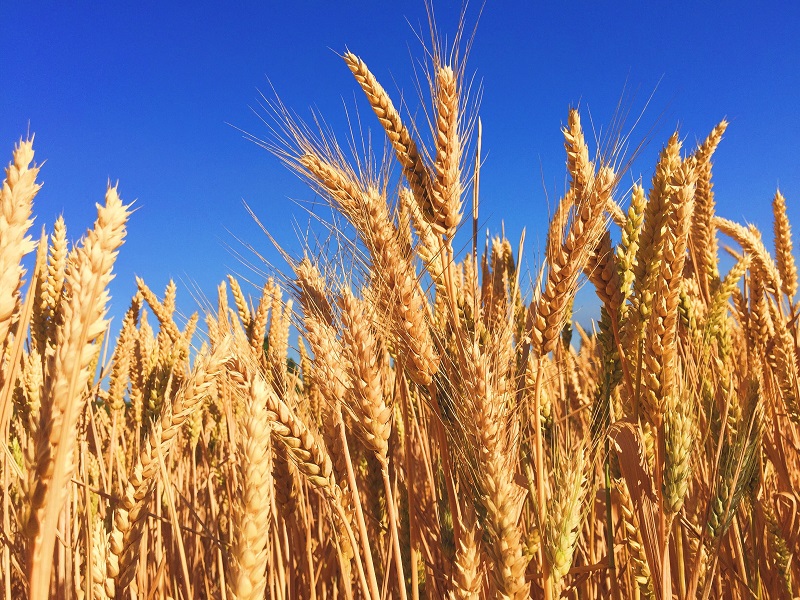
 Wheat is one of the most important field crops grown in agricultural systems, especially in countries like Pakistan. It is a staple food crop that plays a major role in food security and the rural economy.
Wheat field agriculture starts with proper land preparation, including ploughing, leveling, and ensuring fertile soil conditions. Farmers select high-quality seed varieties and sow them at the right time, usually in cooler seasons. Proper spacing and depth are important to ensure uniform germination and healthy crop establishment.
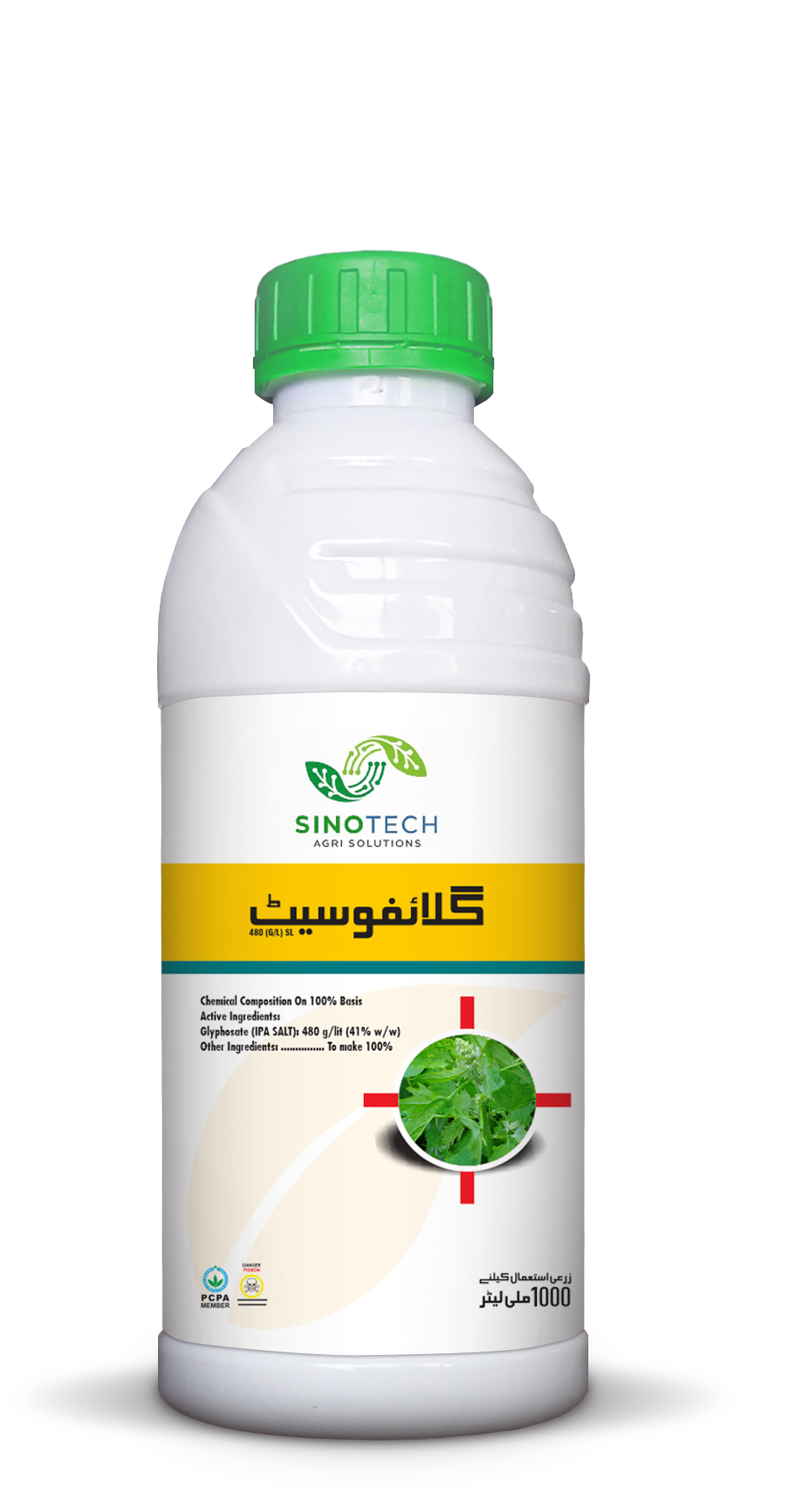
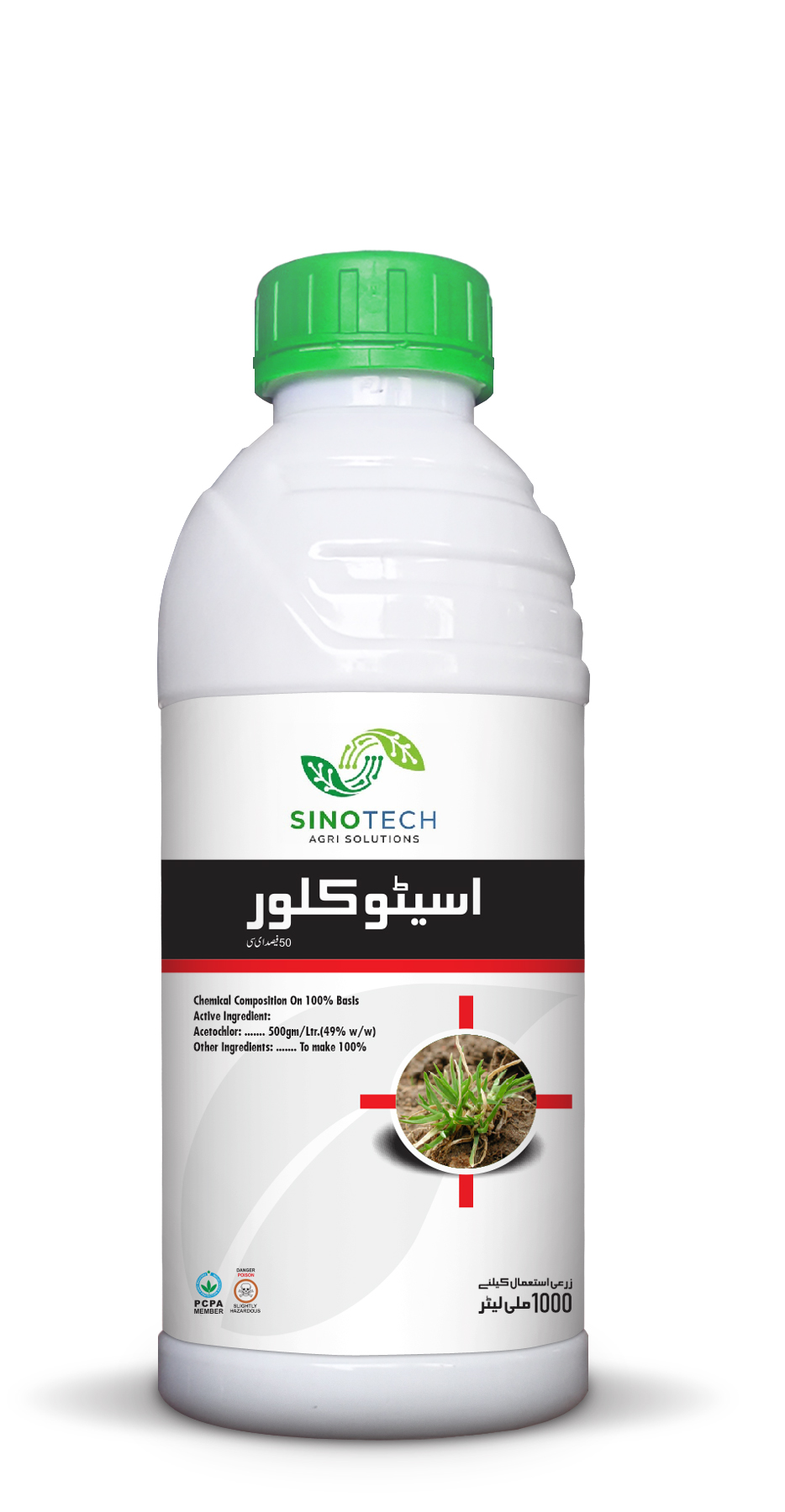
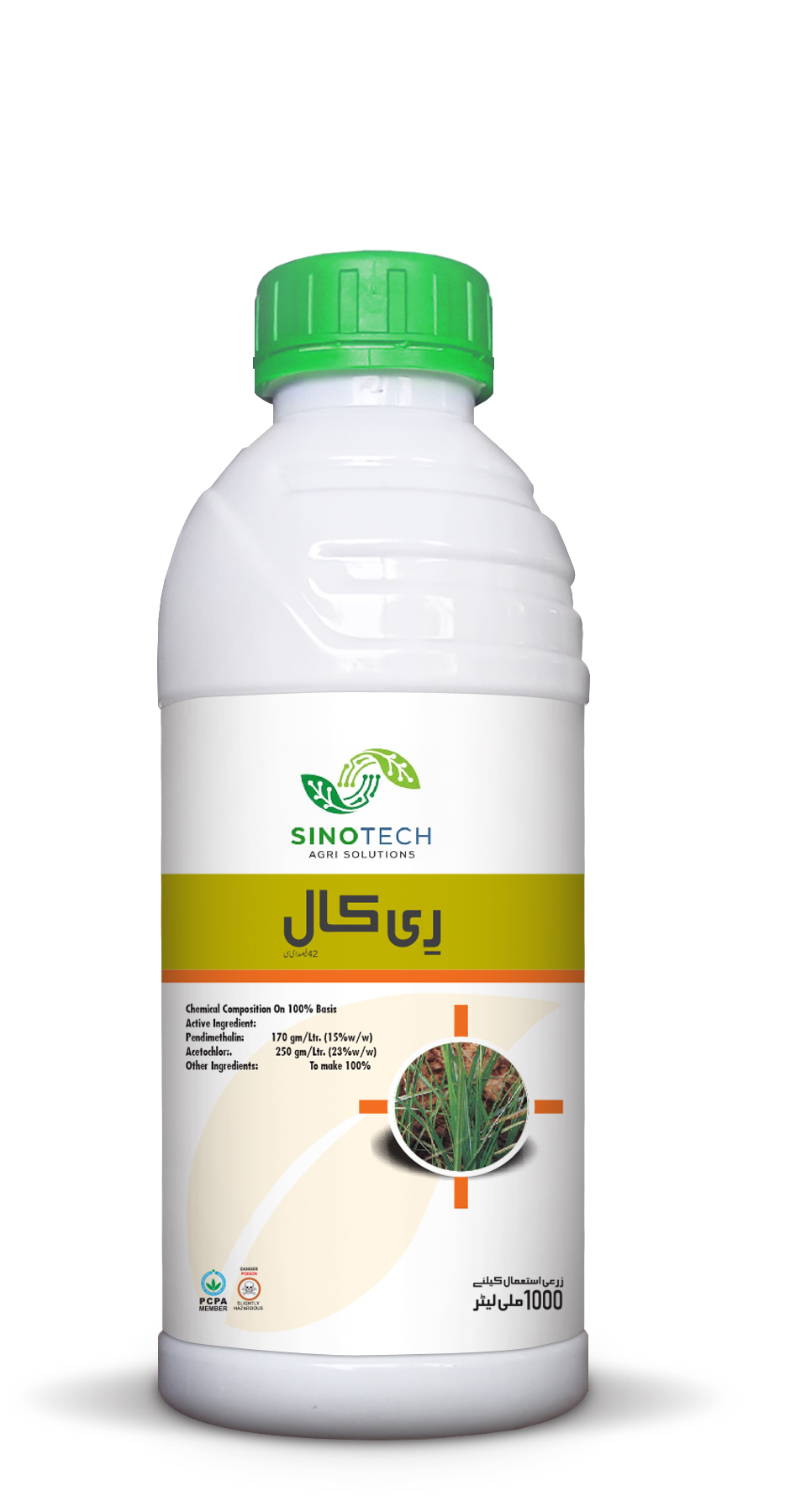
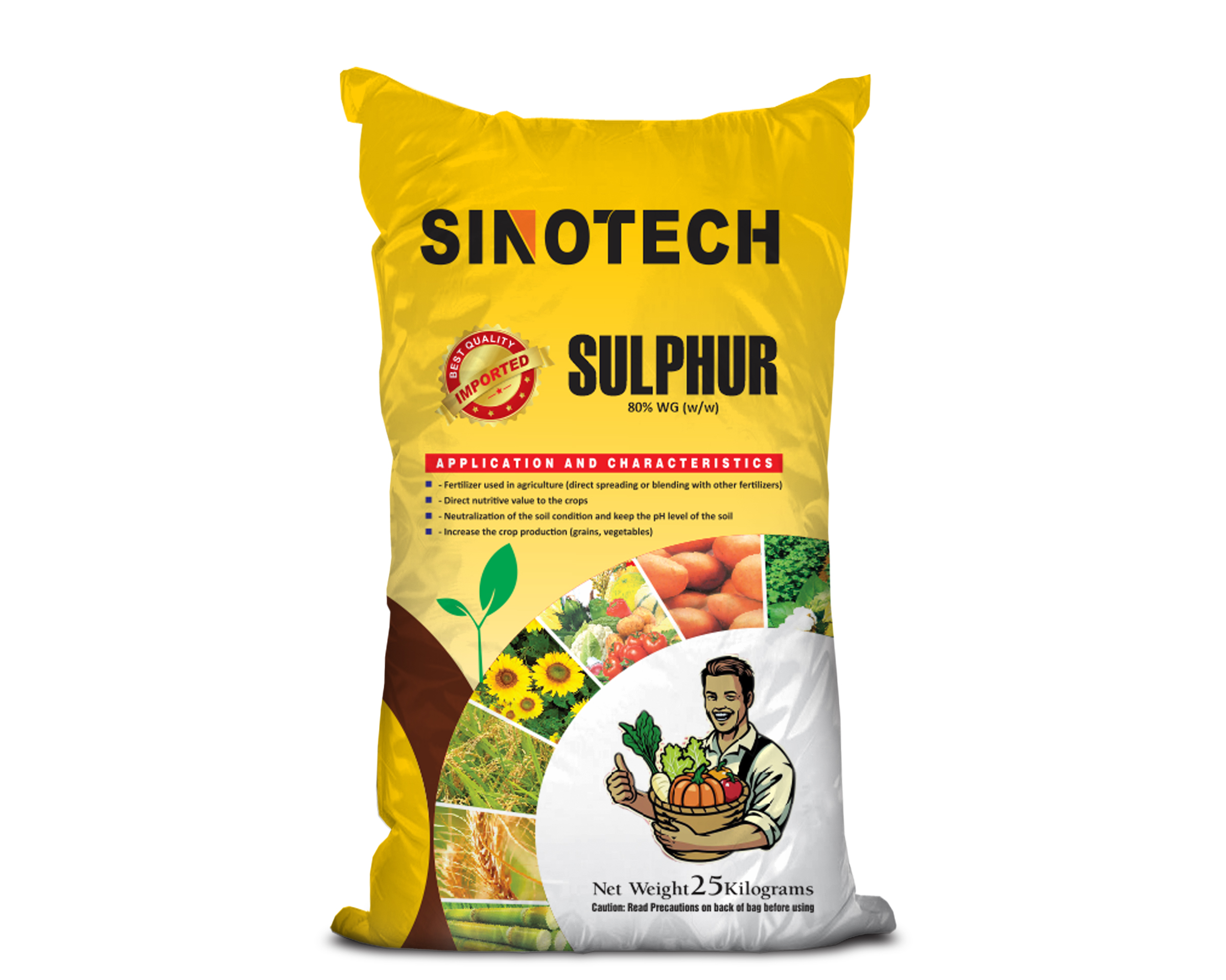
During the growing period, wheat fields require balanced irrigation management, especially at critical stages like tillering, flowering, and grain filling. Fertilizers such as nitrogen, phosphorus, and potassium are applied to improve crop growth and yield. Weed control is also essential to prevent competition for nutrients and water.
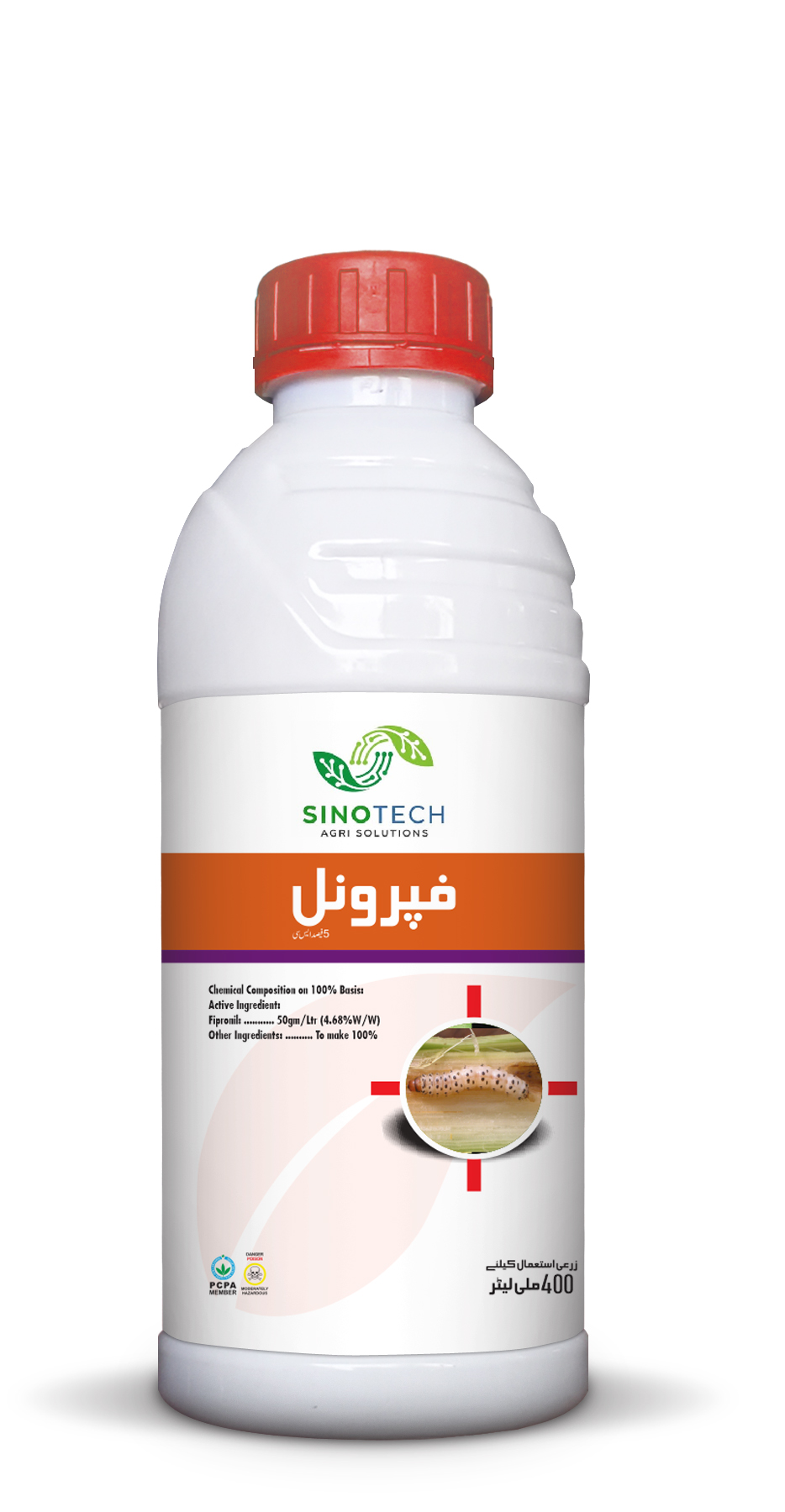
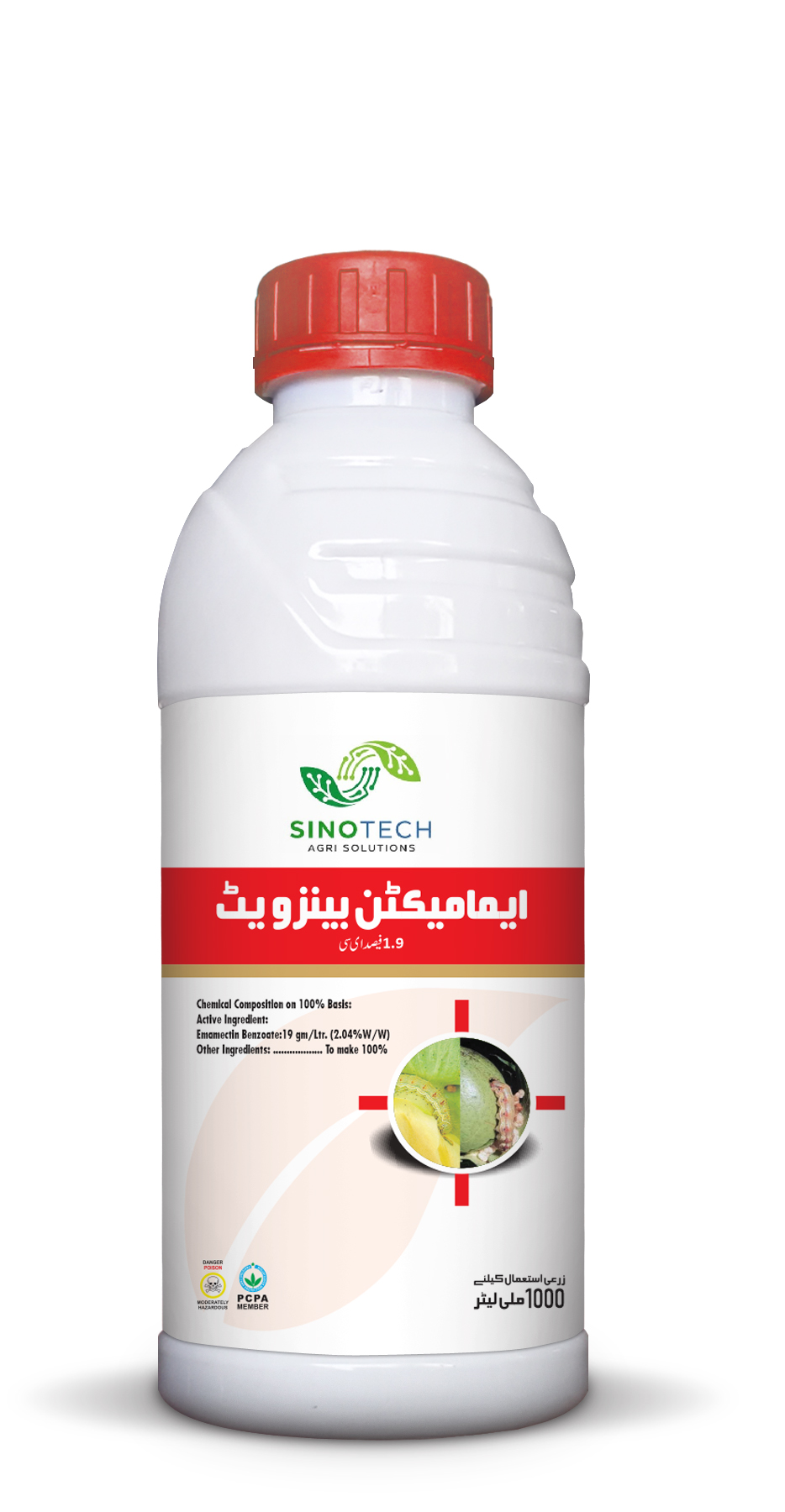
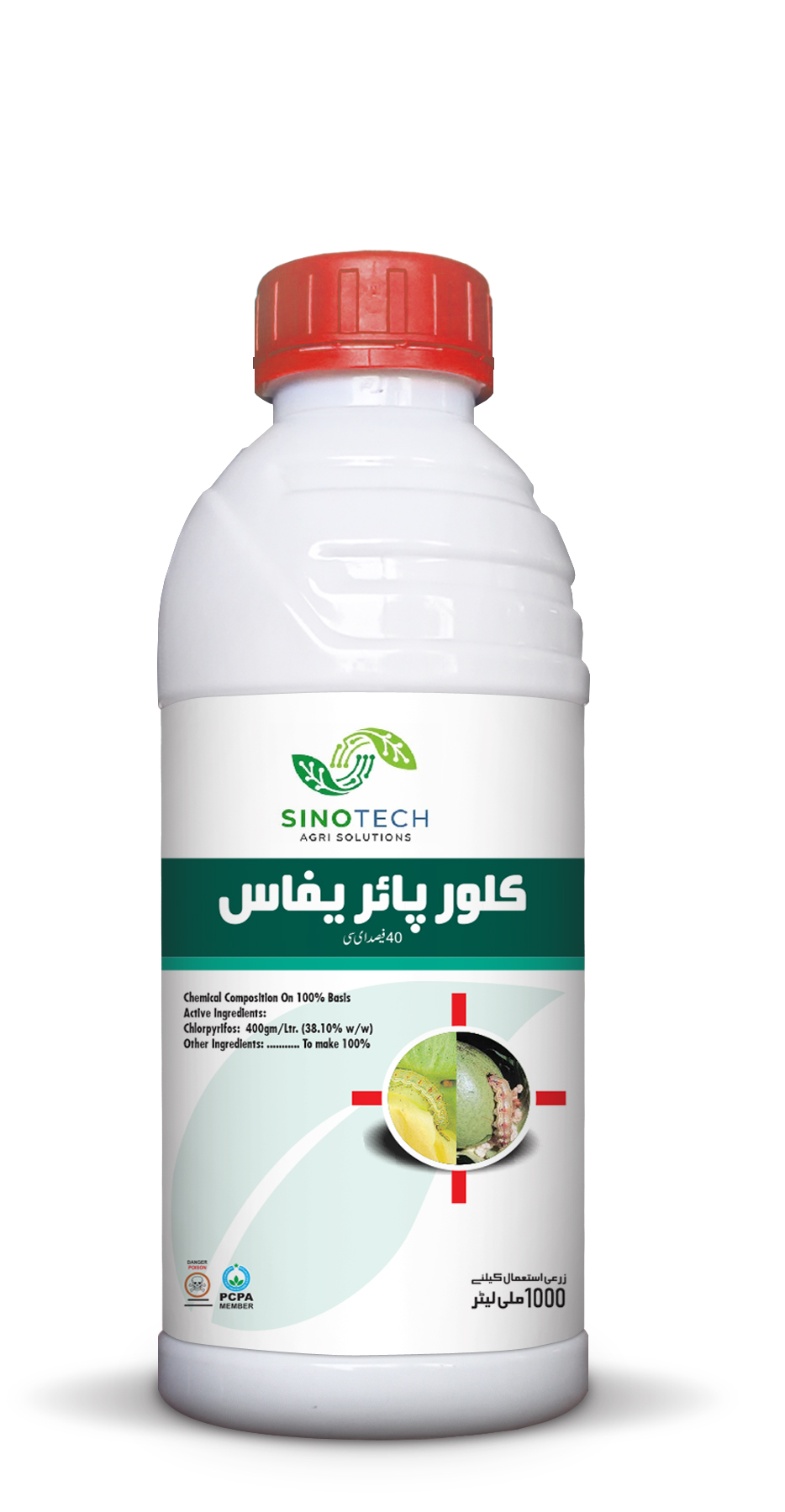
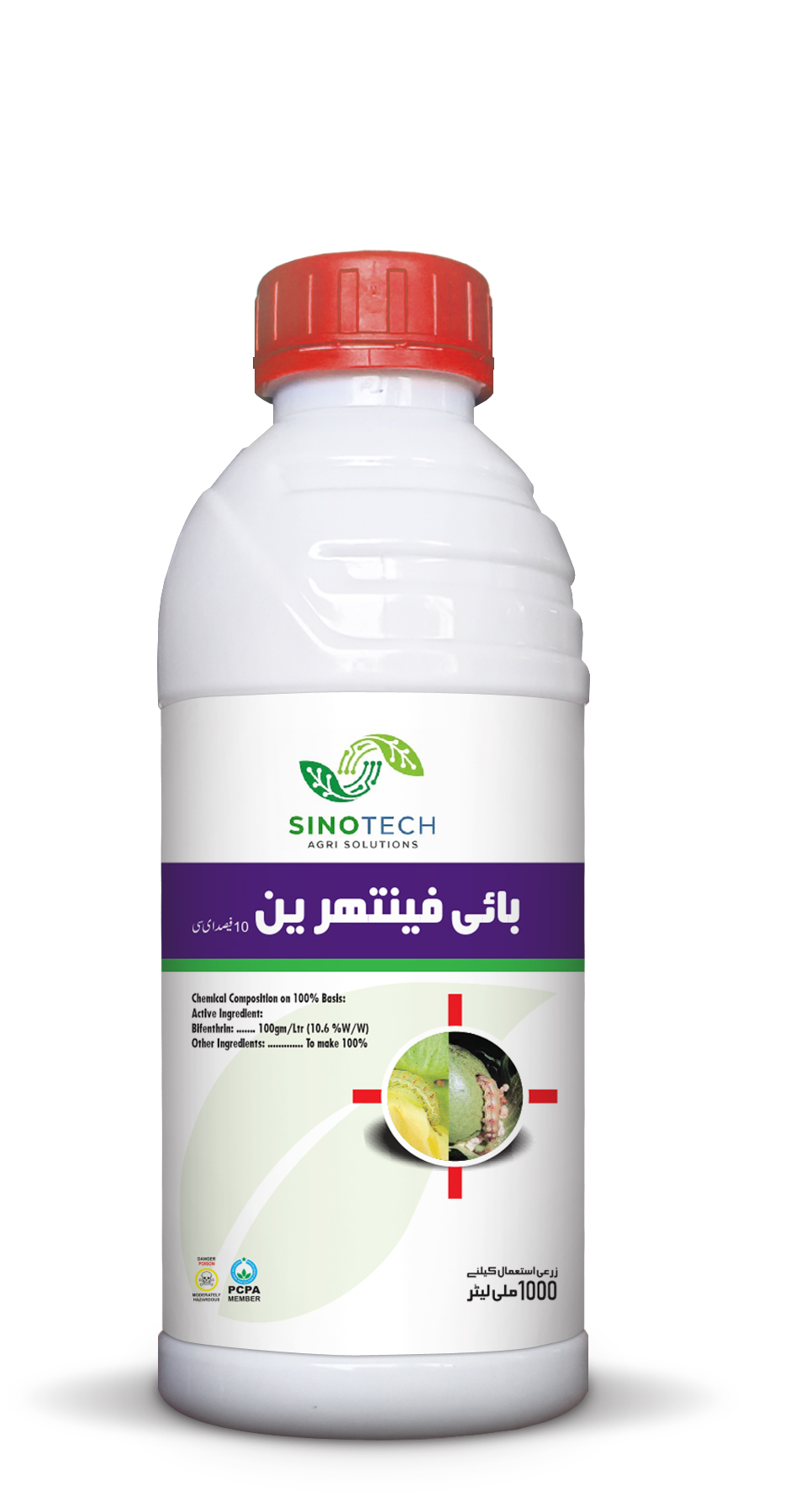
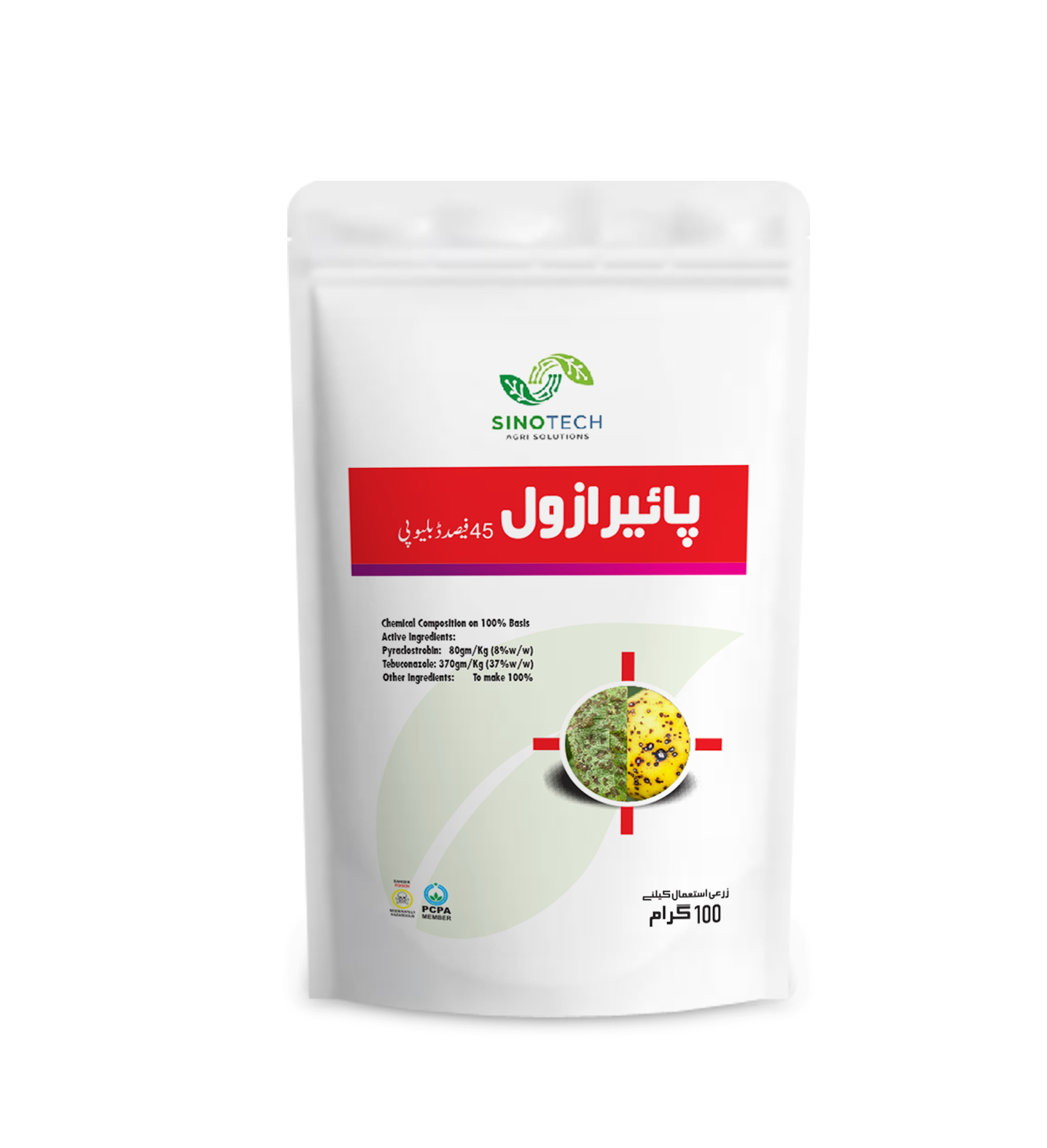
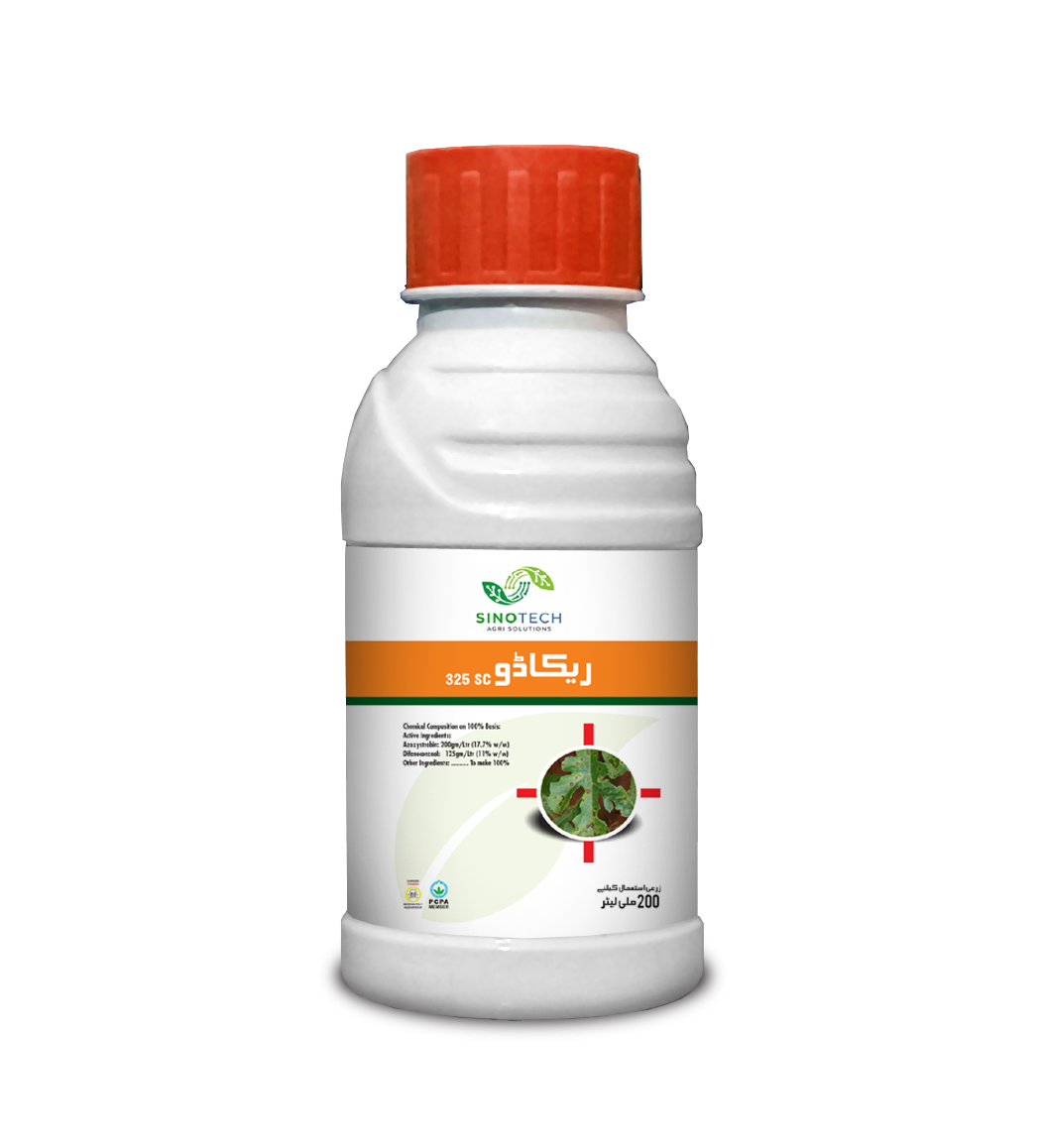
Pest and disease management is an important part of wheat farming, as timely protection ensures better grain quality and higher productivity. Farmers often use integrated crop management practices to maintain healthy fields.
Harvesting is done when wheat plants turn golden yellow and grains are fully mature. The crop is then threshed and stored for food production.
Overall, wheat field agriculture is a vital farming system that supports millions of farmers, strengthens the economy, and ensures food availability for the population.